跳至主要内容

DSM Sieve Bend: A Versatile Solution for Solid-Liquid Separation

In the world of industrial processes and wastewater treatment, efficient solid-liquid separation is crucial for maintaining the integrity of systems and ensuring the quality of the end products. One innovative and versatile solution that has gained prominence in recent years is the DSM Sieve Bend. This equipment, also known as a DSM Screen, plays a vital role in various industries, from mining and mineral processing to water treatment. 
DSM Sieve Bend: A Versatile Solution for Solid-Liquid Separation

What is a DSM sieve bend screen?

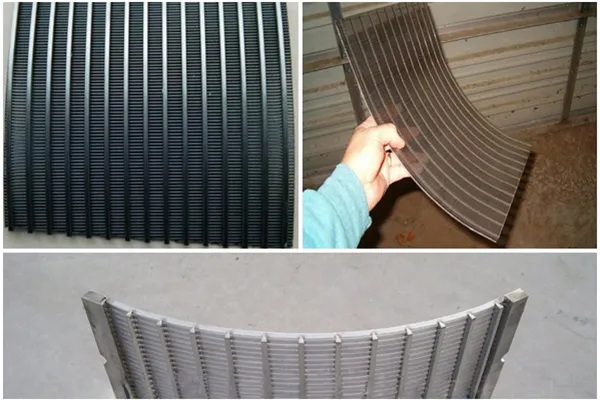
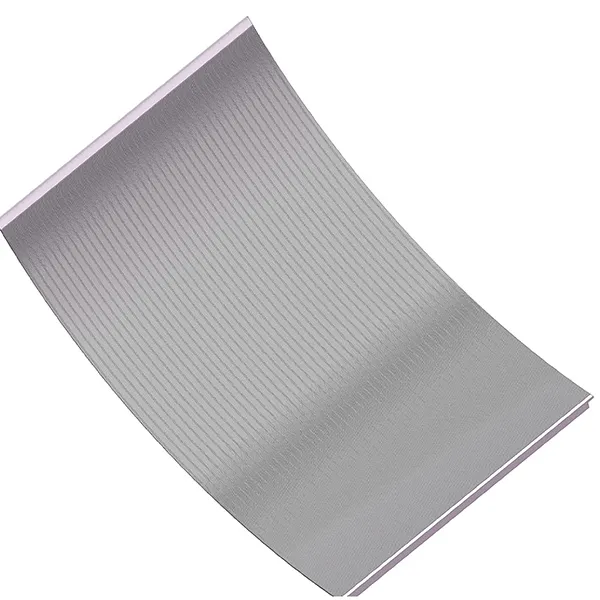
The DSM Sieve Bend is a curved, static screen that consists of wedge wire panels. Its primary purpose is to separate solid particles from liquid in a wide range of applications. Unlike traditional vibrating screens, DSM Sieve Bends are stationary and do not rely on mechanical vibrations to separate particles. Instead, they use gravity and the inherent characteristics of the screen panels to achieve separation.

DSM Sieve Bend: A Versatile Solution for Solid-Liquid Separation


Working Principles of DSM sieve bends

▪ Gravity and Centrifugal Forces: When a mixture of solid particles and liquid flows over the curved surface of the DSM Sieve Bend, gravity and centrifugal forces come into play. The larger, heavier solid particles are unable to pass through the wedge wire panels and are retained on the screen surface.

▪ Formation of a Cake: As the liquid continues to flow through the screen, the retained solid particles build up, forming a cake on the screen surface. This cake further aids in the separation process by preventing smaller particles from passing through.

▪ Self-Cleaning Function: The DSM screen is designed to have a self-cleaning function. As the cake thickness increases, it detaches from the screen surface due to its own weight and the continuous flow of liquid. This self-cleaning mechanism ensures uninterrupted operation and prevents blinding or clogging of the screen.
DSM Sieve Bend: A Versatile Solution for Solid-Liquid Separation

Applications of DSM Sieve Bends

The DSM Sieve Bend finds applications in a wide range of industries, including:

▪ Mining and Minerals Processing: It is used to dewater and separate minerals from process water, helping to recover valuable resources and reduce environmental impact.

▪ Water Treatment: DSM Screens play a crucial role in wastewater treatment, removing solids from influent water before further treatment or discharge.

▪ Food and Beverage: They are utilized in the food industry for separating solids from liquids in processes such as fruit juice production, starch processing, and sugar refining.

▪ Pulp and Paper: Sieve Bend screens are employed to remove impurities from pulp and paper mill effluents, ensuring the production of high-quality paper products.


评论

此博客中的热门博文

Stainless Steel Temporary Filter Strainer for Sale

Stainless steel temporary filter strainers are often employed during system startup, flushing operations, or when testing new systems to catch debris and contaminants that could damage sensitive equipment. The high-quality stainless steel is durable, resistant, and versatile. These features make it ideal for temporary filter strainers in demanding industrial environments, including the oil and gas industry, water treatment, and chemical processing. Key Benefits of Stainless Steel Temporary Filter Strainers ▪ Durability: Their robust construction makes stainless steel strainers withstand high pressures and extreme temperatures. ▪ Corrosion Resistance: Stainless steel material is ideal for use in corrosive environments, such as chemical processing plants, desalination plants, or offshore oil rigs. ▪ Ease of Maintenance: Stainless steel is easy to clean and maintain, ensuring minimal downtime. ▪ Cost-Effective: Temporary strainers prevent costly equipment damage, saving money in the lon...

Car Wash Wastewater Recycling

Recently we received inquiries from customers regarding solutions for car wash wastewater recycling systems. "We are in a business where we are developing water reclaimed system for all our current and future car wash wastewater system that can meet the 80- 90% recovery and would like to approach you as an expert to this field if you have solutions and technology suitable for our requirement." A standard car wash can use anywhere from 30 to 100 gallons of water per vehicle. Given the sheer volume of cars washed daily, this translates into a significant amount of water consumption.  Recycling car wash wastewater addresses two critical issues: water conservation and pollution prevention.  How Car Wash Wastewater Recycling Works Car wash wastewater recycling involves the use of filter equipment and technology to treat and recycle the wastewater.  1. Collection: The wastewater is collected from the car wash and stored in a holding tank. 2. Pre-treatment: The wastewater is p...

Wedge Wire Hydro Sieve Static Screen for Sale

We provide wedge wire Hydro sieve static screens manufactured with durable stainless steel material. Suitable for removing solid suspended impurities from low-concentration solutions.  The wedge wire Hydro sieve has No moving parts, no motor, and High operating efficiency. Hot for Sale Email: sales@uboscreen.com E-mail: sales@uboscreen.com Mobile: +86 157 3217 7595 WeChat: +86 15732177595 Skype: +86 13653285589 WhatsApp: 8613653285589